How to Get People to Actually Show Up to Your Events
 Celine Reinholdsson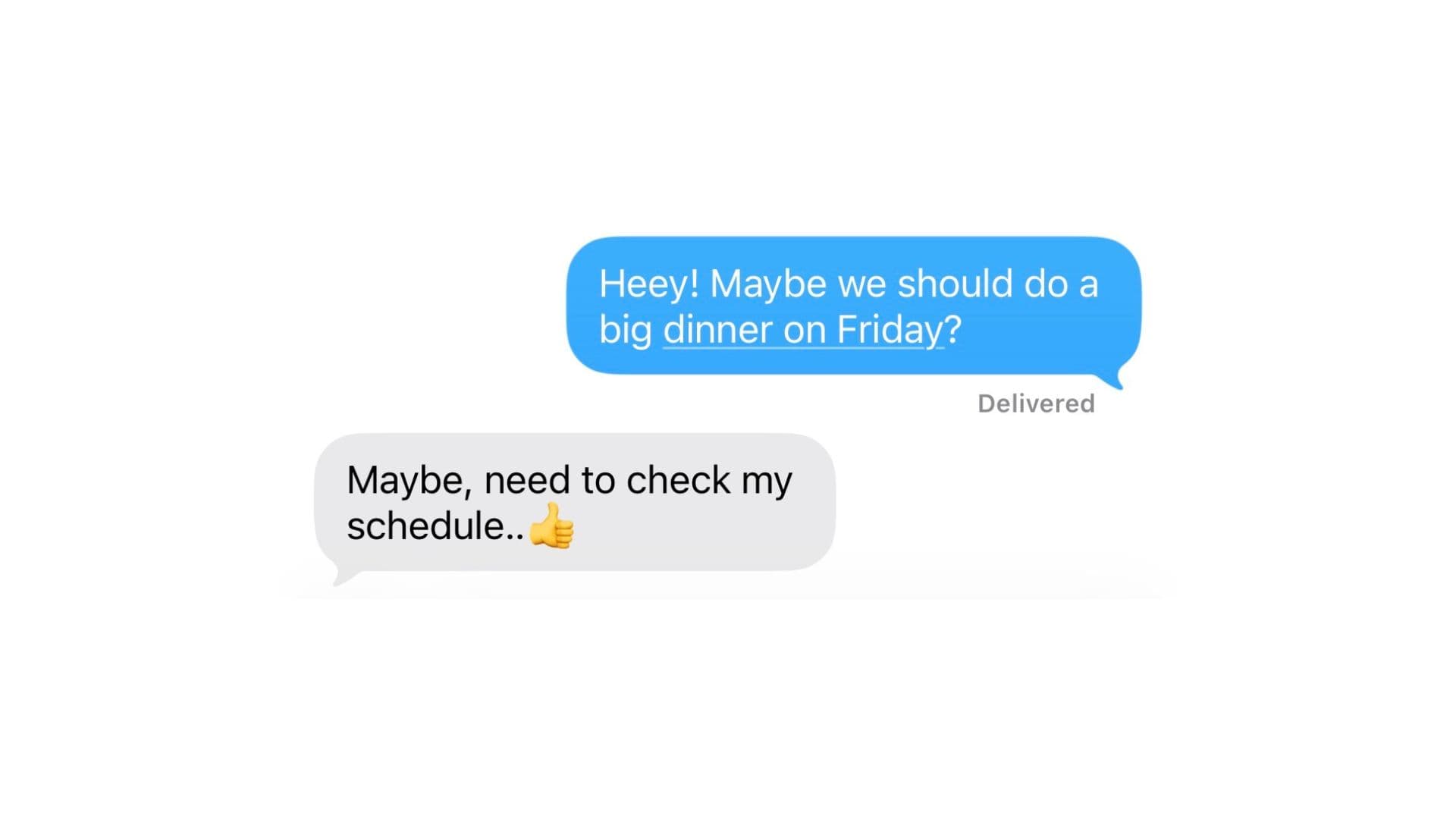
You propose a plan in a group chat. People react with a 👍. A few say “sounds fun”.
And then the day comes, and half the guest list doesn’t show up.
If this feels familiar, you’re not alone. Getting people to actually show up to events has become one of the biggest challenges for modern hosts. Not because people don’t want to socialize, but because planning and committing has become messy.
The good news is that attendance issues are rarely about your event. They’re usually about how it’s organized.
Here’s how to increase event attendance and make sure more people actually show up.
Why people don’t show up anymore
Before fixing the problem, it helps to understand it. Most no-shows happen for predictable reasons:
- Plans feel vague or informal
- People forget the details
- There’s no clear commitment
- Information is scattered across chats
- Saying “yes” feels harder than saying “maybe”
In a world of group chats, endless notifications, and last-minute changes, even good plans can fall apart.
1. Make the invite feel like a real plan
If your event feels optional, people will treat it that way.
Clear invites lead to higher attendance. That means including:
- A defined date and time
- A clear location
- A simple explanation of what’s happening
“Let’s maybe grab drinks sometime” is easy to ignore.
“Drinks at 19:00 on Friday at X” feels like a plan.
When people know exactly what they’re saying yes to, they’re far more likely to commit.
2. Reduce friction when responding
One of the biggest reasons people don’t show up is that they never properly committed in the first place.
If RSVPs are handled through reactions, replies, or multiple chats, commitment stays fuzzy.
Using a single event link where guests can clearly say yes or no:
- Makes the decision intentional
- Helps guests feel counted
- Gives hosts a realistic view of attendance
Clear RSVPs lead to clearer expectations on both sides.
3. Send reminders without being annoying
People are busy. Even excited guests forget.
A gentle reminder the day before, or a few hours before the event, can dramatically improve turnout. This isn’t spam. It’s helpful context, especially when reminders include:
- Time
- Location
- Any last updates
When details are easy to find, people are much more likely to show up.
4. Stop proposing vague ideas in group chats
Group chats are great for conversation. They’re terrible for committing to plans.
Important information gets buried. Updates get missed. People join late and never see the original details.
When event information lives in one place:
- Everyone knows where to look
- Changes are visible to all
- There’s less confusion
The easier it is to understand the plan, the easier it is to attend.
5. Create a sense of momentum
People are more likely to show up when they feel others are coming too.
Seeing that other guests have RSVP’d and that the event is happening as planned creates social momentum. It reassures people that the event is real and worth showing up for.
This isn’t about pressure. It’s about confidence.
6. Don’t over-invite
Inviting everyone often leads to commitment from no one.
Smaller, more intentional guest lists:
- Feel more personal
- Create accountability
- Increase attendance rates
People are more likely to show up when they feel invited for a reason, not just added to a list.
7. Make hosting feel effortless
Hosting should be fun, not stressful.
When invites, RSVPs, updates, and communication are handled in one place, hosting becomes lighter. And when hosting feels easier, hosts plan better events more often.
Better events lead to better attendance. Every time.
Turning invites into real moments
Getting people to show up isn’t about reminders or pressure. It’s about clarity, structure, and making commitment easy.
When plans are clear, information is centralized, and guests know what to expect, showing up becomes the default instead of the exception.
That’s how casual invites turn into real moments.
Read more